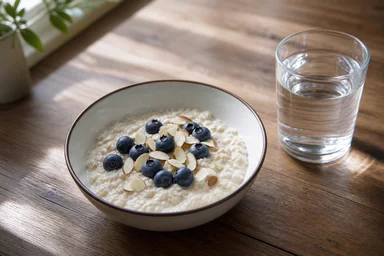
Oatmeal has long been a breakfast staple, but a growing body of research suggests its benefits extend beyond a warm, filling start to the day. A 2019 meta-analysis of 28 clinical trials found that consuming three servings of oatmeal per week was associated with a 14 percent reduction in non-HDL cholesterol. While the effect is modest, it adds to the evidence that simple dietary changes can support heart health.
The Oatmeal–Cholesterol Link: What the Numbers Say
The meta-analysis, published in the British Journal of Nutrition, pooled data from 28 randomized controlled trials involving more than 2,500 participants. The researchers found that oatmeal consumption—typically one bowl per serving—led to an average 14 percent drop in non-HDL cholesterol. Non-HDL cholesterol includes LDL and VLDL particles, both of which contribute to plaque buildup in arteries.
The active compound in oats is beta-glucan, a type of soluble fiber. The FDA allows a health claim for beta-glucan from oats, stating that 3 grams daily may reduce the risk of heart disease. A typical bowl of oatmeal provides about 1.5 to 2 grams of beta-glucan, so three servings a week can approach the recommended intake.
Importantly, the effect was consistent across different types of oats—steel-cut, rolled, and instant—as long as they were minimally processed. The reduction was more pronounced in people with higher baseline cholesterol levels, but even those with moderate levels saw benefits.
The 14 percent figure is an average; individual results vary. Some studies reported reductions of up to 20 percent, while others were closer to 8 percent. The meta-analysis accounted for these differences by using a random-effects model, which is standard in nutritional epidemiology.
Why Non-HDL Matters More Than LDL Alone
For decades, LDL cholesterol was the primary target for heart disease prevention. However, non-HDL cholesterol has gained favor among cardiologists because it captures all atherogenic particles, including VLDL and IDL, not just LDL. The American Heart Association and European Society of Cardiology both recommend non-HDL as a secondary target in lipid management.
One advantage of non-HDL is that it does not require fasting blood samples. This makes it more convenient for routine screening. Studies have shown that non-HDL is a better predictor of cardiovascular events than LDL alone, especially in people with elevated triglycerides.
Oatmeal’s effect on non-HDL is particularly relevant because the beta-glucan mechanism reduces cholesterol absorption broadly, affecting multiple lipoprotein fractions. A 2018 study found that oatmeal lowered non-HDL by an average of 11 percent, with similar reductions in LDL and VLDL.
For individuals with borderline high cholesterol, incorporating oatmeal may be a practical first step before medication. However, it is not a substitute for statins in those with established heart disease or very high cholesterol.
How Oatmeal Works: The Beta-Glucan Mechanism
Beta-glucan is a soluble fiber that forms a viscous gel in the digestive tract. This gel binds to bile acids, which are cholesterol-rich compounds secreted by the liver to aid fat digestion. By trapping bile acids, beta-glucan prevents their reabsorption in the small intestine.
The liver then must produce new bile acids, using cholesterol from the blood. This process effectively pulls cholesterol out of circulation, lowering blood levels. The viscosity of the gel is key; more viscous beta-glucan is more effective. Oat beta-glucan is particularly viscous compared to beta-glucan from barley or other grains.
Dose matters. The FDA health claim requires at least 0.75 grams of beta-glucan per serving of oat product. To achieve a meaningful effect, most studies used 3 grams or more per day. A standard serving of oatmeal (half a cup dry) provides about 1.5 grams of beta-glucan, so two servings daily would meet the 3-gram target.
Processing can affect beta-glucan content. Instant oats are pre-cooked and rolled thinner, but they retain the same beta-glucan as steel-cut oats. However, added sugars and flavorings in instant packets can undermine the health benefits. Plain oats are the best choice.
The Real-World Challenge: Portion and Preparation
In practice, many people do not consume enough beta-glucan to see a cholesterol benefit. A typical bowl of oatmeal uses about half a cup of dry oats, which contains roughly 1.5 grams of beta-glucan. But portions vary: some people eat a smaller bowl, and others add toppings that dilute the fiber content.
Added sugars are a common pitfall. Flavored instant oatmeal packets often contain 10 to 12 grams of added sugar per serving, which can raise triglycerides and offset some of the cholesterol-lowering effect. Even brown sugar or maple syrup added at home can add up.
To maximize benefits, choose plain oats and add toppings that complement the fiber: fresh berries, a tablespoon of flaxseed, or a handful of almonds. These add fiber and healthy fats without excess sugar. A 2023 study found that oatmeal with berries improved lipid profiles more than oatmeal alone.
Preparation method also matters. Cooking oats longer increases the viscosity of beta-glucan, potentially enhancing its cholesterol-binding ability. Steel-cut oats require longer cooking than rolled oats, but both are effective. Overnight oats, which are not cooked, also retain beta-glucan activity.
Who Benefits Most? Age, Sex, and Baseline Cholesterol
The cholesterol-lowering effect of oatmeal appears to be consistent across age groups, from young adults to seniors. A 2020 subgroup analysis of the meta-analysis found that participants aged 50 and older had similar reductions to those under 50. Both men and women responded equally, though women often start with higher HDL levels.
Baseline cholesterol is a strong predictor of response. People with LDL cholesterol above 130 mg/dL saw larger absolute reductions than those with lower levels. This makes sense: there is more cholesterol available to be pulled from circulation. For someone with normal cholesterol, the effect may be smaller but still beneficial.
Ethnicity does not seem to alter the response significantly, though most studies have been conducted in Western populations. A small trial in Japan found similar reductions, suggesting the mechanism is universal.
Individuals with metabolic syndrome or type 2 diabetes may also benefit, as oatmeal improves glycemic control. However, those with gluten sensitivity should choose certified gluten-free oats, as cross-contamination is common.
Beyond Cholesterol: Oatmeal’s Other Health Signals
Oatmeal’s benefits extend beyond lipid lowering. The beta-glucan gel also slows gastric emptying, which improves satiety and can aid weight management. A 2019 study found that participants who ate oatmeal for breakfast consumed fewer calories at lunch compared to those who ate a sugary cereal.
Blood pressure may also improve modestly. A meta-analysis of 12 trials found that oat consumption reduced systolic blood pressure by about 2.5 mmHg on average. The effect is small but meaningful at the population level.
Oatmeal also supports gut health. Beta-glucan acts as a prebiotic, feeding beneficial bacteria in the colon. A 2021 study reported increased diversity of gut microbiota after four weeks of daily oatmeal consumption, along with higher levels of short-chain fatty acids that reduce inflammation.
Despite these benefits, oatmeal is not a panacea. It does not replace the need for a balanced diet, regular exercise, or medication when prescribed. The evidence is strongest for cholesterol reduction; other effects are supported by fewer studies or smaller effect sizes.
Trade-Offs and Considerations: Not All Oats Are Equal
While oatmeal is generally healthy, there are trade-offs to consider. For example, oat-based products like granola or oat bars often contain added sugars, oils, and preservatives, which can negate the cholesterol-lowering benefits. A 2022 analysis of commercial oat products found that some granolas had up to 15 grams of added sugar per serving, more than a typical candy bar.
Another consideration is calorie density. A bowl of oatmeal with toppings can easily exceed 400 calories, which may be too much for some individuals aiming for weight loss. However, the satiety effect of beta-glucan can help control overall calorie intake. A 2020 study compared oatmeal to an isocaloric egg breakfast and found that oatmeal led to greater fullness and reduced subsequent snacking.
For people with irritable bowel syndrome (IBS), the high fiber content of oatmeal may cause bloating or gas, especially when first introduced. Gradual incorporation and adequate water intake can mitigate these effects. Soluble fiber from oats is generally better tolerated than insoluble fiber from wheat bran.
Cost is another factor. Steel-cut oats are often cheaper per serving than instant packets, but they require longer cooking time. Rolled oats strike a balance between convenience and cost. A 2023 price comparison showed that plain rolled oats cost about $0.15 per serving, while flavored instant packets cost $0.50 or more.
Environmental concerns also arise. Oats are a relatively sustainable crop, requiring less water and fertilizer than many other grains. However, oat milk production has a carbon footprint higher than cow's milk due to processing and packaging. For the cholesterol benefit, whole oats are superior to oat milk.
Practical Steps: Making Three Servings Stick
Incorporating three servings of oatmeal per week is feasible with a little planning. Batch-cooking steel-cut oats on Sunday can provide ready-to-eat portions for several days. Store in the refrigerator and reheat with a splash of milk or water.
Overnight oats are another convenient option. Combine rolled oats with milk or yogurt, chia seeds, and fruit in a jar, and refrigerate overnight. No cooking required. This method preserves beta-glucan and makes for a quick breakfast.
Oat flour can be used in baking. Grind rolled oats in a blender to make flour for pancakes, muffins, or bread. This adds fiber to foods that might otherwise be low in soluble fiber. A 2022 study found that oat flour pancakes produced a lower glycemic response than wheat flour pancakes.
Avoid flavored instant oatmeal packets. They are convenient but often high in sugar and low in fiber compared to plain oats. Instead, buy plain oats and add your own toppings. A tablespoon of ground flaxseed adds extra fiber and omega-3s.
Pair oatmeal with a source of protein, such as Greek yogurt, nuts, or an egg on the side. Protein slows digestion and helps stabilize blood sugar, making the meal more balanced. This is especially important for people with diabetes or insulin resistance.
For variety, try savory oatmeal. Top cooked oats with a poached egg, avocado, and a sprinkle of black pepper. This approach avoids sugar altogether and can be a satisfying lunch or dinner option.
Remember that consistency matters more than perfection. Three servings per week is a modest target; even one serving daily is better than none. The key is to make oatmeal a regular part of your diet, not an occasional addition.
For those who dislike the texture, oat milk is a less effective alternative. Most oat milks contain only a fraction of the beta-glucan found in whole oats, and many are fortified with added sugars and oils. Stick with whole oats for the cholesterol benefit.
If you are already taking cholesterol-lowering medication, oatmeal can complement but not replace it. Always consult your healthcare provider before making significant dietary changes, especially if you have a medical condition or take prescription drugs.
As with any dietary intervention, individual results vary. The 14 percent reduction in non-HDL cholesterol is an average from controlled trials; real-world outcomes depend on adherence, overall diet, and genetics. But the evidence is strong enough that oatmeal deserves a place in a heart-healthy diet.
Counter-Arguments: Why Some Experts Remain Skeptical
Despite the positive findings, some nutrition researchers caution against overinterpreting meta-analyses of dietary interventions. One criticism is that many of the included trials were short-term, typically lasting 4 to 8 weeks, which may not reflect long-term adherence or real-world conditions. A 2021 commentary noted that when participants are instructed to eat oatmeal daily, they may also improve other dietary habits, confounding the results.
Another concern is publication bias. Studies with positive results are more likely to be published than those showing no effect. The meta-analysis authors addressed this through funnel plot analysis, which suggested minimal bias, but it cannot be ruled out entirely.
Additionally, the 14 percent reduction is a relative risk reduction, not an absolute one. For someone with non-HDL cholesterol of 160 mg/dL, a 14 percent drop translates to about 22 mg/dL, which is clinically meaningful. But for someone with levels already below 130 mg/dL, the absolute reduction may be only 10 mg/dL or less.
Some experts argue that focusing on a single food is less effective than overall dietary patterns, such as the Mediterranean diet. However, oatmeal can be part of such patterns. A 2023 study found that adding oatmeal to a Mediterranean diet further improved lipid profiles compared to the diet alone.
For more on how simple foods can affect biomarkers, see our articles on sunflower seeds and C-reactive protein and berries and insulin resistance.
Disclaimer: This article is for informational purposes only and does not constitute medical advice. Consult a qualified healthcare professional for personalized dietary and health recommendations.